Burst Pipe in Winter: A Step-by-Step Guide for Insurance Claims
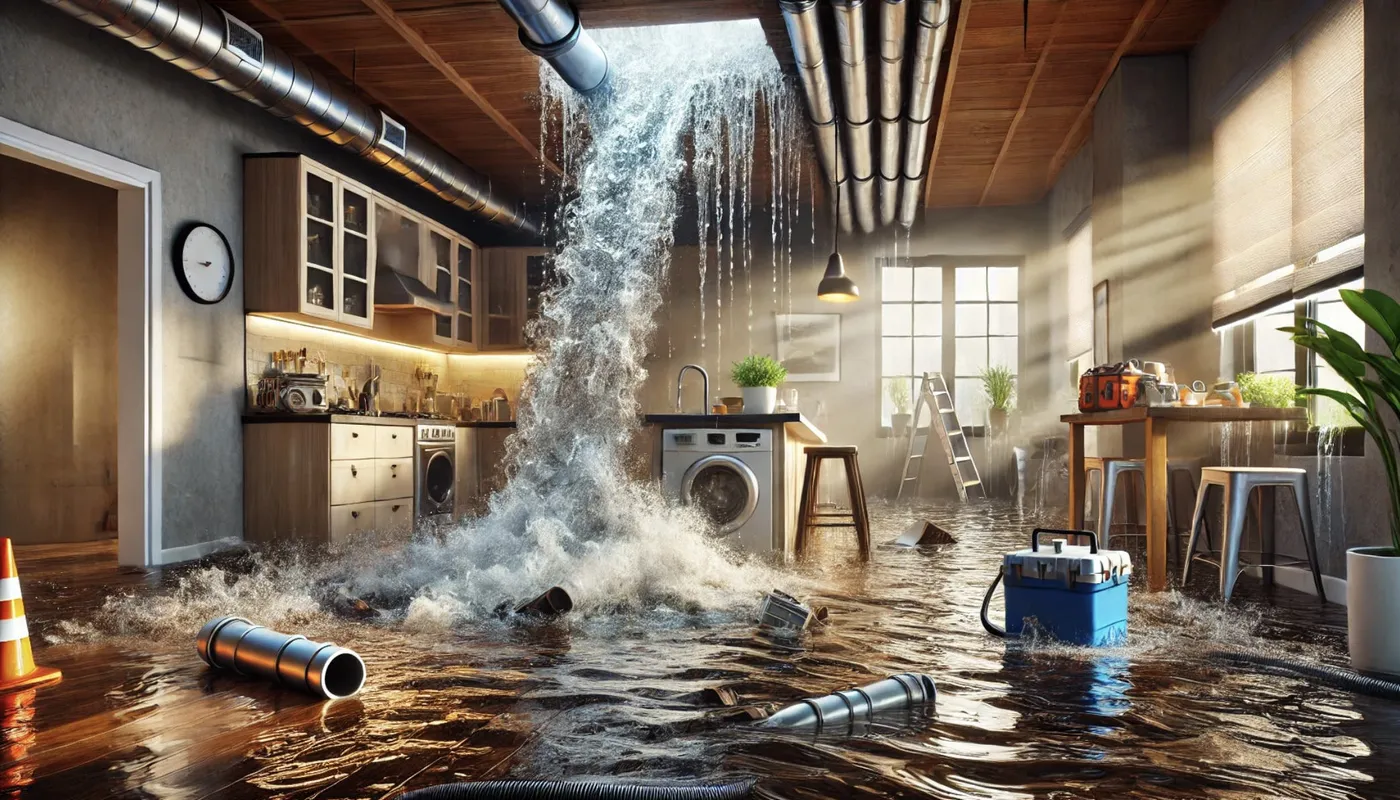
A burst pipe in winter is an emergency. We outline the immediate steps to take and the procedural requirements your insurer will need for a successful trace and access claim.
The Immediate Response: Safety and Documentation
Discovering a burst pipe in winter is a stressful event. Your first priority must be safety: turn off the main water stopcock to halt the flow and, if safe to do so, switch off the electricity at the consumer unit, especially if water is near fittings or sockets. Immediately contact your insurer's emergency helpline; they will often have approved contractors, but you can also engage a specialist leak detection company like ours to start the mitigation process. Begin documenting everything. Use your phone to take clear photos and videos of the leak's origin, the extent of the water damage, and any affected possessions. This visual evidence is the cornerstone of your claim.
Understanding Your Insurer's Trace & Access Requirements
Most home insurance policies include cover for 'trace and access' – the cost of locating the source of a hidden leak and the subsequent work to access it. Insurers require a clear, procedural account. Our engineers are trained to provide this. We methodically trace the leak using specialist equipment, such as thermal imaging and acoustic listening devices, and produce a detailed report that maps the leak's location within the property's structure. Crucially, we document the 'access' phase: the necessary, minimally invasive steps taken to reach the pipe, such as lifting floorboards or cutting a section of plasterboard. This report directly supports your claim, demonstrating that the costs incurred were essential and reasonable.
It is vital to keep all receipts and invoices for any emergency repairs, water extraction, or temporary accommodation. Do not authorise permanent repairs to the pipe or structure until your insurer's loss adjuster has visited or given explicit approval. The goal is to present a complete, chronological narrative from incident to stabilisation, with professional verification of the leak's cause and location.
Framing the Work for Cost Recovery
When you instruct a leak detection specialist, frame the engagement with your claim in mind. Ask if their reports are routinely prepared for insurance purposes. Our documentation explicitly separates 'trace' costs (diagnosis) from 'access' costs (making good after the repair), which aligns with how insurers assess these claims. We detail why non-destructive methods were used first and justify any necessary invasive investigation. This clarity is key to recovering costs. Remember, while your policy may cover the damage and the leak-finding process, the cost of repairing the actual burst pipe itself may fall under general maintenance, so check your policy wording. Our role is to provide the technical evidence that turns a domestic emergency into a well-supported, procedurally correct insurance claim, giving you and your insurer confidence in the process.
How we help with this
If the article describes a problem you actually have, these are the visits that deal with it.
- our full guide to leak detection
How each method works and when it is the wrong tool for the job.
- insurance leak claims
What escape of water cover pays for, and what it does not.
- burst pipe repair
A split or burst pipe isolated and repaired, day or night.
Frequently asked questions
Will my insurance cover the cost of finding a burst pipe?
Most comprehensive home insurance policies include 'trace and access' cover. This typically covers the reasonable costs of locating the source of a hidden leak and the work needed to access it. Always check your specific policy wording and inform your insurer immediately after the event.
What documentation does my insurer need from the leak detection engineer?
Insurers require a clear, methodical report that evidences the leak's location, the diagnostic process used (e.g., thermal imaging), and the necessary steps taken to access the pipe. A professional report should separate trace and access costs and justify the investigative work carried out.
Should I get the pipe fixed before the insurance loss adjuster visits?
No. You should only authorise emergency repairs to stop the leak and prevent further damage. Do not undertake permanent repairs to the pipe or structure until your insurer's adjuster has assessed the damage or given you permission to proceed, as this could invalidate your claim.