Claims Evidence
Emergency Plumber London
Most buildings policies place a duty on you to take reasonable steps to limit damage once you know about it. Calling somebody out at two in the morning is that duty being discharged, which means the attendance is a mitigation step rather than the claim itself. Those are treated very differently, and invoices that fuse them are the commonest thing we see sent back.
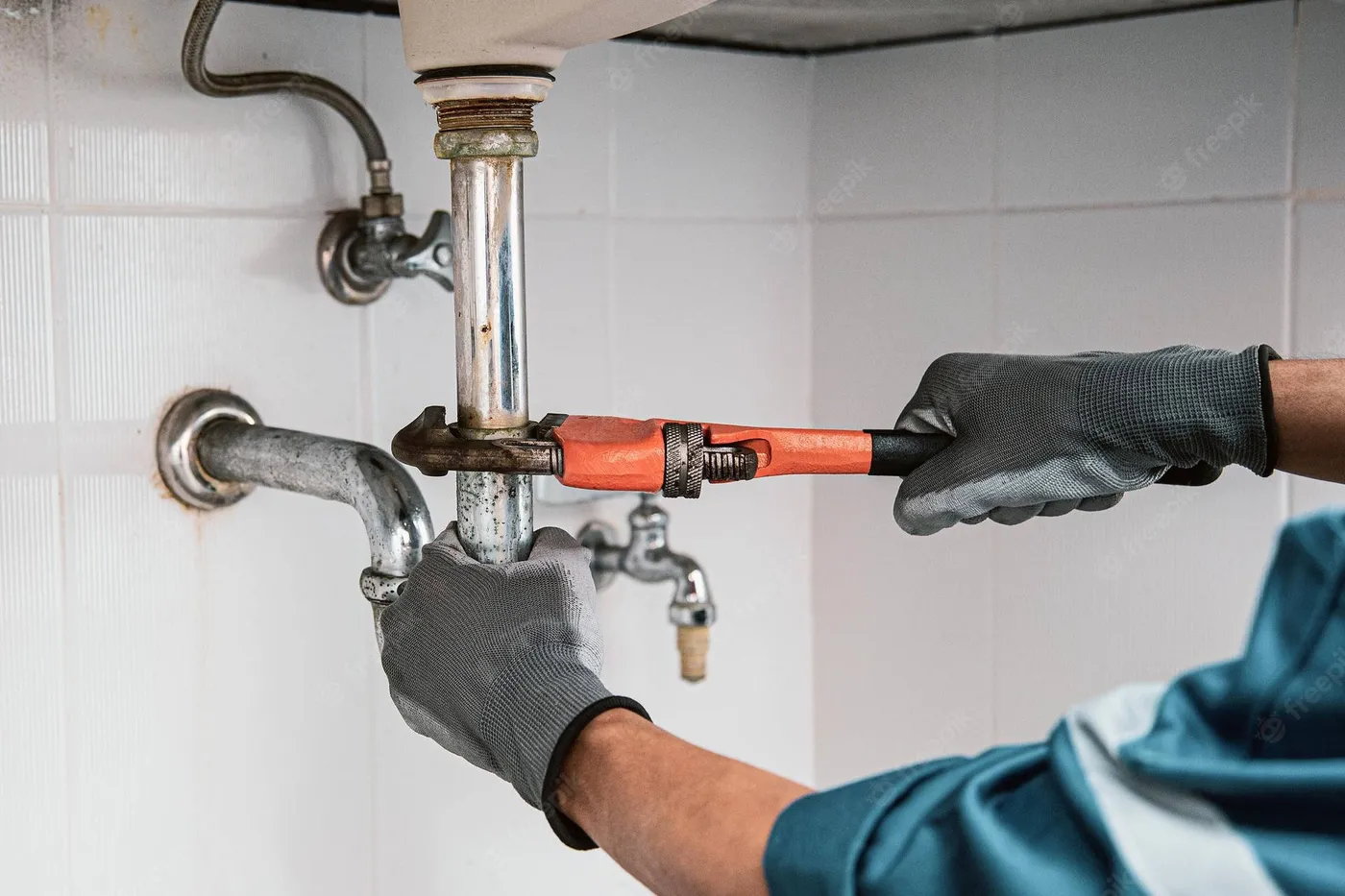
How an out of hours attendance is recorded
| Invoice line | How it is treated | When it is settled |
|---|---|---|
| Attendance and making safe | Mitigation, expected of you under the wording | Confirmed before anyone sets off |
| Out of hours element of the attendance | Stated as its own figure, never folded into labour | Agreed on the call, not on the doorstep |
| Finding a cause that is not visible | Trace and access line where the extension applies | Quoted once the survey is scoped |
| Temporary repair versus permanent repair | Two lines, because insurers treat them differently | Both set out before work starts |
| Damage caused by the water | The line the policy usually responds to | Assessed after drying |
Fee basis, not a quote, and not a statement of what your own policy covers. Our detection figure is fixed and confirmed in writing before anyone travels.
Three things happen on a night like that and they belong on three lines. Stopping the water is mitigation. Finding out where it came from, if it is not obvious, is detection and may fall under a trace and access extension. Putting right what the water ruined is the escape of water claim, with its own excess. One figure covering all three cannot be part paid.
So we confirm the attendance figure, the out of hours element and the arrival window on the call, before anyone sets off, and we write up what was found, what was done and what remains outstanding the same day. It is not a faster way to work. It is a way of working that leaves a file somebody else can act on.
The attendance figure and the out of hours element are agreed on the call and shown as separate lines. Detection, permanent repair and damage reinstatement are quoted separately afterwards, because your policy responds to them in different ways.
What you get
- Leak detection reports formatted for insurer submission
- High-definition photographic evidence of source and damage
- Detailed 'Trace & Access' documentation mapping repair paths
- Identification of compliance issues (e.g., pipe material, installation standards)
- Explicit separation of emergency containment costs from subsequent repairs
- Direct liaison available with loss adjusters and claims handlers
How it works
A method, not a guess
01
Isolate before we arrive
Where the stopcock is, what to switch off and what to move clear, covered on the call. The wording expects you to limit damage, and the minutes before an engineer arrives are the ones that decide how much there is to claim for.
02
Agree the figures on the phone
The attendance charge, the out of hours element shown separately, and the window. Mitigation costs are assessed on whether they were reasonable, and an uplift that only surfaces on the doorstep is very hard to argue was reasonable.
03
Make safe, then stop
The immediate job is to stop water entering the building. What comes after that is a separate decision with a separate price, taken by you when you are not standing in it, not agreed under pressure at three in the morning.
04
Write it up while it is accurate
What was found, what was done, what was isolated, what is still outstanding and what evidence was captured, recorded the same day. A claim notified a week later is reconstructed from memory unless somebody wrote it down at the time.
Six things to get right in the first hour of a water escape
Isolate before anything else, and note the time
Every minute the water runs is damage you will later be asked to evidence and dry. Find the internal stop tap, close it, and if the loss is on a heating circuit close the valves either side of the suspected section. Then write down the time you did it. Most wordings place a duty on you to take reasonable steps to limit damage, and that duty is assessed on what you actually did rather than on what you intended. A timed note costs nothing and it is the only record of the gap between discovery and containment.
Get the attendance figure agreed on the phone
The doorstep is the worst possible place to agree a price, because declining is no longer a realistic option and everybody knows it. Before an engineer sets off you should have the attendance charge, the out of hours element shown as its own figure, and a window. Insurers assess mitigation costs on whether they were reasonable, and an uplift that only appears once somebody is standing in your hallway is very hard to demonstrate was reasonable. Any firm that will not quote before travelling is telling you something useful about how the invoice will look.
Photograph everything before you move it
The single most common regret in escape of water claims is tidying up first. Photograph the ceiling, the floor, the affected contents, the water itself and anything visibly failed, before anything is moved, mopped or thrown away. Keep damaged items rather than disposing of them, because some insurers want to inspect and a few will decline items they were never shown. Photographs taken in the first hour are worth considerably more than a careful description written three days later, and they take about ninety seconds.
Keep making safe separate from repairing
Stopping water entering the building and permanently replacing a failed section are two different pieces of work at two different prices. A clamp or a capped branch that holds until a proper repair can be scheduled is a legitimate step and should be described as exactly that. Where they are merged, the file cannot show what has actually been remedied, and if the same run fails later the question of whether the original loss was properly repaired becomes a genuine problem. Ask for both to be set out separately before either starts.
Find out whether your insurer needs telling first
Some policies require notification before costs are incurred, some operate their own emergency assistance line and restrict what they will meet if you instruct independently, and some require authorisation before detection work specifically. None of that removes your ability to stop water in an emergency. It does affect what happens next. The practical sequence is isolate, make safe, notify, then instruct the investigation and the repair. Making the call while an engineer is still on site is usually easier than reconstructing the sequence afterwards.
Make sure somebody writes the night up
Claims are frequently notified days after the event and then reconstructed from memory, which is where inconsistencies creep in. What should exist by the end of the following day is a record of what was found, what was done, what was isolated, what remains outstanding and what evidence was captured. It does not need to be elaborate. It needs to exist, and it needs to have been written while it was still accurate, because it is the document everything later in the claim is checked against.
Compare like for like
Mitigation, detection and repair are three different lines
Most wordings expect you to act to limit damage, which is what an out of hours attendance is. What that attendance is not is the claim itself. The visit that stops the water, the survey that finds the cause and the work that repairs the damage are three separate things, and an invoice that fuses them is the commonest reason a settlement goes back for itemisation.
| What to check | A one line invoice | A make safe and leave firm | Emergency Leak Detection 247 |
|---|---|---|---|
| Attendance figure agreed before travel | Quoted on the doorstep, when declining is no longer realistic. | Quoted on the doorstep, and the out of hours element appears later. | The attendance figure, the out of hours element and the arrival window are confirmed on the call, in writing, before anyone sets off. |
| Out of hours element shown separately | Absorbed into the total, so an assessor cannot see what the urgency actually cost. | Absorbed into the total. | Shown as its own figure, because mitigation costs are assessed on whether they were reasonable, and a hidden uplift cannot be shown to be reasonable. |
| Isolation advice before arrival | None. The damage keeps spreading while you wait. | Occasionally. | Where to isolate and what to move is covered on the call, since the wording expects you to limit damage and the file should show that you did. |
| Make safe versus permanent repair | Presented as one job, which mixes an expected mitigation step with a repair the policy may not meet. | The make safe is the whole visit, and the permanent repair is a separate conversation with somebody else. | Both are set out before work starts, priced separately, so the mitigation line and the repair line can be assessed on their own terms. |
| Finding a cause that is not visible | Charged as more hours on the same undifferentiated bill. | Referred on, usually after a floor has already been opened speculatively. | Quoted as a detection line, because trace and access is the extension it may fall under and it will not be recognised if it is buried in labour. |
| What is left in writing | A card and a figure. | A job sheet describing what was turned off. | What was found, what was done, what remains outstanding and what evidence was captured, written the same day while it is still accurate. |
| The final invoice | Higher than the doorstep figure, with extras that were never discussed. | Roughly as quoted for the make safe, with everything else to follow. | The figure agreed on the call, itemised so mitigation, detection and repair can each be sent to whoever is carrying them. |
What claimants ask
The questions policyholders and agents ask most
Emergency plumbing discussions are dominated by two complaints, and only one of them is about plumbing. The other is about invoices: what was quoted, what arrived, and why an insurer would not pay a figure that seemed perfectly reasonable to the person who agreed to it at midnight.
Doorstep pricing and the figure that moved
Among the most frequent complaints across the consumer discussions. A price is given on the phone, a different one appears on the invoice, and the work happened in between. The standing advice from regulars is to get the figure in writing before anyone travels. Our take adds one thing: for a claim, the out of hours element needs to be visible as its own figure rather than absorbed into a total, because a mitigation cost that cannot be examined is a mitigation cost that gets questioned.
Insurers declining part of an emergency invoice
A recurring insurance board thread where a night call out is accepted in principle but the invoice is rejected because it bundled the attendance, some exploratory opening up and a repair into one total. Posters read it as the insurer being difficult. It is usually a mechanical problem: a covered element inside an uncovered line cannot be paid separately. We invoice mitigation, detection and repair apart from each other for exactly this reason.
The floor that was opened before anything was found
Threads where an emergency visit turned into speculative lifting of discussions and the reinstatement became the biggest cost of the job. The advice that emerges is to separate the make safe from the investigation and to insist the investigation is a scoped, priced piece of work. Our position is the same. Stopping the water is urgent. Finding a concealed cause is not, and it is done far better with the right equipment in daylight than with a bar at three in the morning.
Confusion about what counts as an emergency for the policy
A common source of frustration. Posters assume any urgent plumbing problem is covered, and discover that the policy responds to the damage caused rather than to the attendance, or that home emergency cover is a separate product they do not hold. The consensus advice is to check the schedule for a home emergency section. Our take is to ask that question at booking, so nobody is surprised by which part of the invoice is theirs.
What an emergency call out actually costs
Cost discussions show a wide spread and a lot of suspicion. Checkatrade's published guidance puts emergency call outs in the region of one hundred to one hundred and twenty pounds and hourly rates at ninety five to one hundred and forty five pounds, which are national figures covering the attendance rather than any repair. Regulars point out that the total depends far more on what happens after arrival. Our take is to confirm the attendance figure and the out of hours element on the call and let the rest be quoted in daylight.
Questions
Asked before every booking
Will my insurer pay for an emergency call out?
Frequently, where the attendance was a reasonable step to limit damage and the figure can be seen on its own. What causes difficulty is an invoice showing one total for a night visit, a repair and some exploratory opening up, because an insurer cannot pay the covered portion of a line that also contains uncovered work. It is worth asking your insurer whether they operate an emergency assistance line of their own, since some wordings restrict what they will meet if you instruct independently.
Should I call my insurer before calling a plumber?
Stop the water first. After that, yes, and before any non urgent work starts. Some insurers require notification or pre authorisation before costs are incurred, and a few will not meet detection fees agreed without them. The practical order is isolate, make safe, notify, then instruct the detection and repair work. We will tell you if a step we are about to take is one an insurer would usually want to approve first.
What is the difference between making safe and repairing?
Making safe stops water entering the building and limits further damage. It might be an isolated valve, a clamp or a capped branch, and it is a legitimate and expected step. A repair puts the failed section back into service permanently. They are different pieces of work at different prices, and a claim file that describes a holding measure as a completed repair creates an argument later if the same run fails again.
What does an emergency call out usually cost in London?
Checkatrade's published cost guidance puts emergency plumber call outs in the region of one hundred to one hundred and twenty pounds, with hourly rates of ninety five to one hundred and forty five pounds. Those are their national figures rather than ours, and they cover the attendance rather than any repair. Our own figure depends on the hour, the location and what you need doing, and we confirm it on the call before travelling.
You have stopped the leak. What should I do in the next 24 hours?
Photograph everything before you move it, including the ceiling, the flooring and anything damaged, and keep the damaged items rather than disposing of them. Note when you first noticed the problem. Do not begin stripping out or drying until you have spoken to your insurer, because some wordings require them to inspect or instruct their own contractor. Keep every invoice, including ours, and keep them itemised.
What should I do first if water is coming through the ceiling?
Turn off the electricity to the affected area at the consumer unit if water is anywhere near light fittings or sockets, then close the internal stop tap. Do not stand under a bulging ceiling. Photograph everything before moving it, put containers down, and move contents clear where it is safe to do so. Then call, and tell us what you have already isolated. The things that matter most in the first ten minutes are electrical safety and stopping the supply, in that order.
Will my insurer pay for an emergency plumber?
Frequently, where the attendance was a reasonable step to limit damage and the figure is visible on its own. Two things cause trouble. The first is a bundled invoice that an insurer cannot part settle. The second is a policy that operates its own emergency assistance line and restricts what it will meet if you instruct someone else. Check the schedule for a home emergency section and for any requirement to notify before incurring costs.
Is a temporary repair acceptable to an insurer?
Usually yes, and often expected, because containing a loss quickly is precisely what the mitigation duty asks of you. What causes difficulty is a holding measure recorded as if it were a permanent repair. Describe it accurately, get the permanent work quoted separately, and keep both on the file. If the same section fails later, the distinction between a clamp that was always temporary and a repair that was supposed to be final is the difference between a straightforward conversation and an argument.
Should I start drying the property straight away?
Limiting further damage is sensible and expected: lift what you can, ventilate, and keep the property safe. What is worth pausing on is stripping out, disposing of damaged items and commissioning formal drying, because some insurers want to inspect first or will instruct their own contractor. Photograph everything before you move it, keep what is damaged, and make the notification call early so you are not guessing about what they will want to see.
Do you find the cause as well as stopping the water?
Stopping the water is the attendance. Finding a cause that is not visible is detection, and it is scoped and priced separately because it may fall under a trace and access extension and will not be recognised if it is buried inside a labour figure. Where the cause is obvious we deal with it there and then. Where it is concealed, we tell you what the survey involves and what it will cost before agreeing to anything.
What paperwork will I have afterwards?
An itemised invoice separating the attendance, the out of hours element and any work done, and a written record of what was found, what was isolated, what evidence was captured and what remains outstanding. If a survey follows, that is a separate document with its own findings. We are a detection and reporting contractor rather than advisers or loss assessors, we do not act for your insurer, and nothing we issue can guarantee that a claim will be met.
London-wide
Covering all 33 boroughs
Related services
Burst Pipes
Burst pipe in a London property? We isolate the supply, price the repair before travelling and record the damage and cause for your insurance claim.
Learn moreLeak Repair
Leak repairs across London, photographed before and after, and written up so trace and access work is clearly separated from the repair for insurers.
Learn moreLeak Detection
Hidden leak in a London property? We locate it without demolition, then set out cause, origin and damage in a trace and access report for your insurer.
Learn moreWater going somewhere it shouldn’t?
Tell us the symptoms and your postcode. We’ll confirm the visit, the fixed detection fee and the arrival window before you commit to anything.
Book a detection visit