The precise location your insurer requires.
We provide the documented leak detection and trace & access evidence needed to validate and expedite your insurance claim.
Insurer-Read Format
Meeting all trace & access requirements
Digital & Photographic
For claim substantiation
Claim Support Service
Guidance on next steps
Emergency Response
To mitigate further damage
Insurance-Focused Leak Detection & Access Services
Our procedures are designed to meet the specific evidential and procedural requirements of major UK home insurers.
Leak Detection
Hidden leaks pinpointed without opening floors or walls: acoustic, thermal and tracer gas methods, no find no fee.
Thermal Imaging Surveys
Infrared cameras reveal wet floors, warm heating runs and moisture spread in minutes, with image evidence included.
Underground Leaks
Supply pipe and mains leaks located under gardens, driveways and concrete: one marked point, one small excavation.
Heating & UFH Leaks
Boiler losing pressure? We trace central heating and underfloor heating leaks to centimetres before anything is opened.
Emergency Plumbing
Bursts, failed stop taps, blocked toilets and active leaks: urgent response with pricing agreed before we travel.
Trace & Access Reports
Insurer-ready documentation of cause, origin and damage, the evidence your escape-of-water claim depends on.
Our Insurer-Accepted Detection Methodology
Acoustic
Ground microphones and correlators follow the sound of escaping water through floors, walls and soil.
Thermal
Infrared cameras map temperature anomalies: hot pipe runs, cold evaporation patches, spreading moisture.
Tracer gas
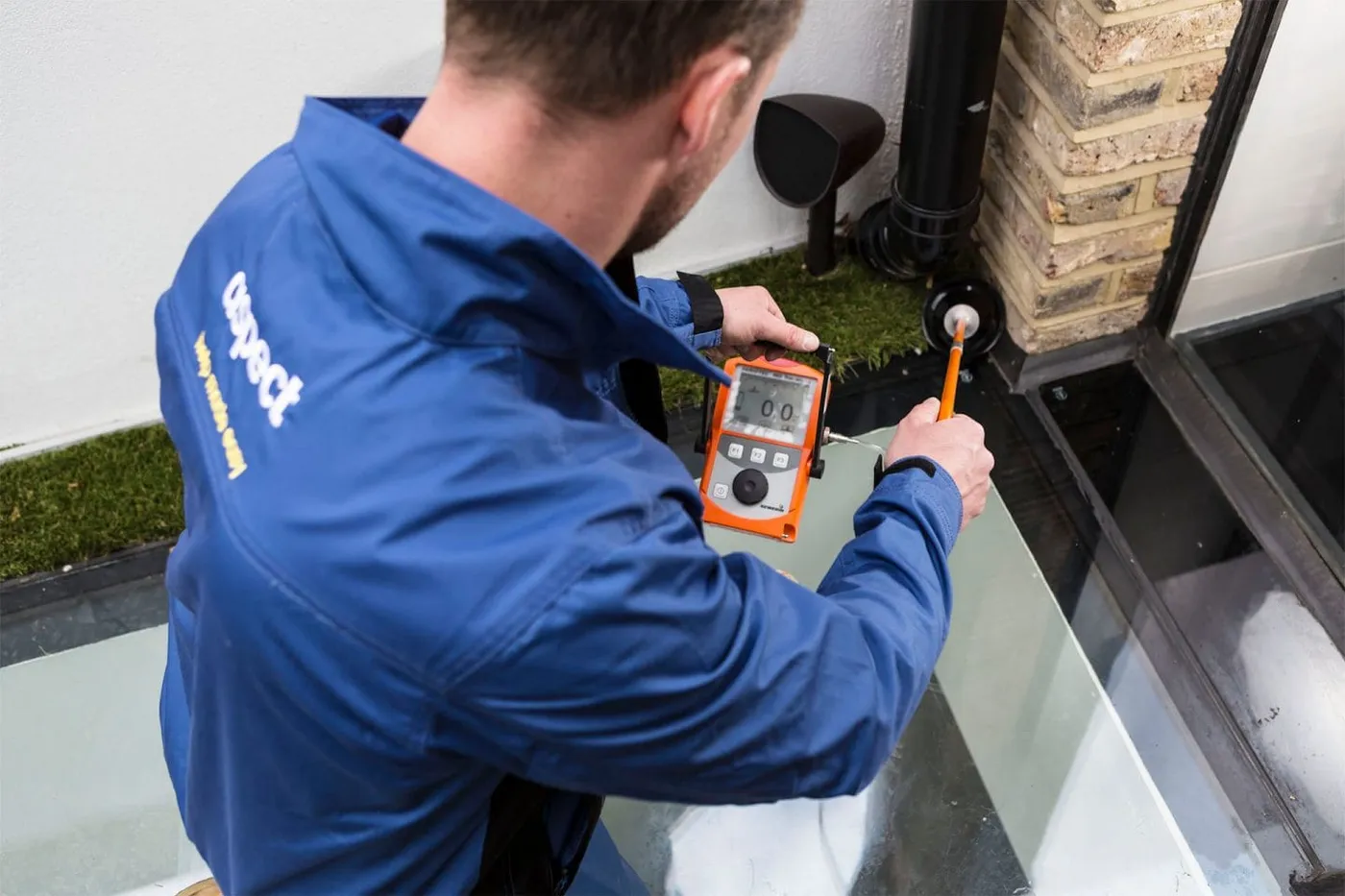
A safe hydrogen mix escapes through the same hole the water does, and rises straight to our detector.
Moisture mapping
Calibrated meters profile how far water has actually travelled, the evidence layer behind every report.
Our 3-Step Claim Support Process
Precise Leak Location & Documentation
We identify the exact source using specialist equipment and create a comprehensive digital report with photos and findings for your insurer.
Trace & Access Provision
Our engineers perform the necessary, minimal access work to expose the leak, documenting the process to justify these costs in your claim.
Damage Mitigation & Claim Guidance
We help prevent further damage and provide clear guidance for your next communications with your insurance claims handler.
Loss-adjuster-ready
What your report includes
Every detection visit ends in a document, not a verbal opinion, built to be submitted to your insurer or loss adjuster without a follow-up visit.
Date, time and attendance
A timestamped record of when the engineer attended and how the visit was booked, the first thing a claims handler checks.
Methodology used
Which detection methods were deployed (acoustic, thermal, tracer gas) and why, so the finding can be independently understood.
Photographic evidence
Dated photographs of the leak source, the surrounding damage and any access work carried out to reach it.
Cause and origin statement
A clear statement distinguishing sudden escape of water from gradual wear, the distinction that keeps a claim payable.
Claim-Related Emergency Services Directory
Core services
Leak Detection
Reports & blocks
Insurance & Commercial
Local everywhere
London Boroughs We Cover for Emergency Claims
Available 24/7 to support urgent leak detection for insurance claims across every London borough.
Across Greater London
Our London-Wide Insurance Emergency Coverage
Our rapid-response network ensures we can attend to document and trace leaks for your claim, wherever you are in London.
Why Londoners call us
Emergency Leak Detection 247: what you can expect
No find, no fee
If our engineers can't locate the leak, you don't pay for the visit. We only charge for results.
Non-destructive by default
Acoustic, thermal imaging and tracer gas detection pinpoint the source before anything gets opened up.
Insurer-ready reporting
Every job gets a written report with cause, origin and evidence, built to the standard insurers ask for.
Guides
Guidance on Leaks & Insurance Claims
Insurance & Claims
Escape of Water Claims: What Insurers Cover and What They Exclude
11 min readLeak Detection
Acoustic vs. Thermal vs. Tracer Gas Leak Detection: What Insurers Require
4 min readLeak Detection
Are Smart Water Leak Detectors Worth It? A Homeowner and Landlord Guide
9 min readDamp & Damage
Brown Stain on Ceiling: Leak or Damp? What Insurers Require for a Claim
4 min readInsurance Leak Claim FAQs
Insurance Leak Claim FAQs
How does your service support an insurance leak claim?
We provide the precise, documented evidence insurers need to validate a claim. Our reports detail the leak's exact location, the cause, and the necessary trace & access work performed, which are critical for claim approval and settlement.
What is 'trace and access' and is it covered by insurance?
Trace and access is the work needed to locate a hidden leak, often involving controlled removal of flooring or walls. Most home insurance policies cover these reasonable costs. We document this process meticulously to support your claim for these essential works.
Do you charge if you can't find the leak source?
No. Our focus is on providing the evidence your insurer requires. If we cannot conclusively locate and document a leak source after a thorough investigation using our equipment, there is no charge for the detection attempt.
Will you repair the leak on the same visit?
Our primary role is detection and documentation for your claim. Once the leak is exposed and documented, we can often perform an emergency repair to prevent further damage, which is also a key claim cost we can evidence.
What documentation will I receive for my insurer?
You will receive a detailed digital report including the date, time, leak location identified, methodology used, photographs of the leak source, and a description of all trace & access work undertaken to reach it, formatted for easy submission to your claims handler.
Do you work directly with insurance companies?
While we are often instructed by policyholders, we regularly liaise with loss adjusters and claims departments. Our reports are structured to meet their requirements, and we can communicate our findings directly if authorised, helping to streamline the claims process.
How quickly can you attend for an insurance emergency?
We operate a 24/7 rapid response service across London. Prompt attendance is crucial to limit water damage, a key factor insurers consider, and we prioritise emergencies to provide the timely documentation needed.
What areas of London do you cover for emergency claims?
We cover all London boroughs for emergency leak detection services. Our network of specialist engineers allows us to provide a swift, documented response anywhere in the capital to support your insurance claim process.