High Thames Water Bill? How to Check for a Hidden Leak and Navigate Insurance
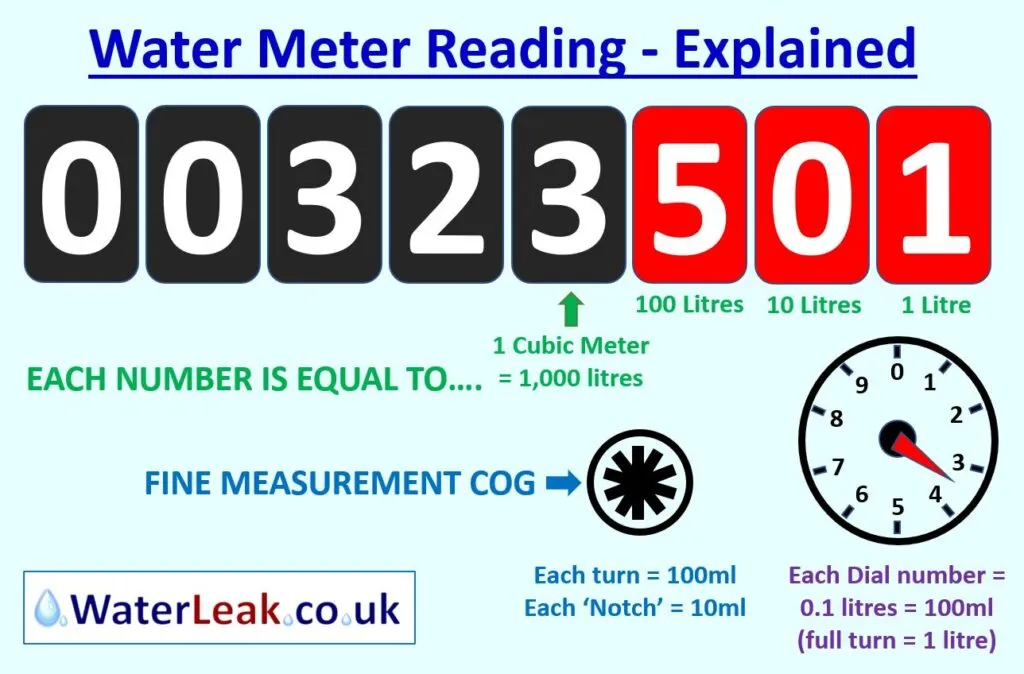
A surprisingly high Thames Water bill is often the first sign of a hidden leak. We explain the trace and access procedure insurers mandate and how proper documentation supports your claim.
When a High Water Bill Signals a Hidden Problem
A sudden, unexplained spike in your Thames Water bill can be alarming. Often, this is the first and only clear indicator of a hidden leak within your property's plumbing system. From a claims perspective, this bill is a crucial piece of evidence, initiating the formal ‘trace and access’ process that insurers require. Our role is to methodically locate the source, document every step for your insurer, and provide the evidence needed to recover the costs of both the investigation and the subsequent repair.
The Insurer's Trace and Access Protocol
Insurance claims for hidden leaks hinge on a correctly executed trace and access investigation. Insurers do not simply approve claims for high water bills or damp patches; they require definitive proof of the leak's origin and the necessary investigative work undertaken to find it. Our engineers are trained in this specific protocol. We begin with a non-invasive assessment using acoustic listening devices and thermal imaging cameras to pinpoint areas of concern. This initial phase is about building a documented case that destructive investigation (the ‘access’ part) is justified and targeted.
Once a likely source is isolated, we present our findings and recommend a precise access strategy. This controlled, minimal-impact approach is what insurers expect. We then carefully expose the pipework to confirm the leak, photographing each stage. The final report we provide isn't just a diagnosis; it's a claim document. It chronologically details the symptoms (like your high bill), the non-invasive tracing methods, the point of access, and the definitive cause. This turns your claim from a report of damage into a substantiated, recoverable event.
Documenting for Cost Recovery: Your Claim Depends on It
The entire process is framed around cost recovery, for the water wasted, the investigation, and the repairs. A poorly documented trace can lead to an insurer disputing whether the leak was truly ‘hidden’ (a key policy condition) or questioning the necessity of the work done. Our documentation is comprehensive. It links the initial symptom (the elevated meter reading from Thames Water) directly to a physical defect in your plumbing, captured visually. We note the exact location, the type of pipe, the nature of the failure, and the recommended repair.
This report becomes the backbone of your claim submission. It demonstrates due diligence and provides the insurer with the audit trail they need to approve costs. For you, this means a smoother claims process and a far stronger position to recover the costs of the leak detection itself, the repair work, and the wasted water charges. We work to the standard insurers demand, giving you and them the clarity needed to resolve the claim efficiently.
If your Thames Water bill has raised a red flag, do not delay. The longer a hidden leak runs, the greater the water damage and the cumulative charge. Contact us to initiate an insurer-compliant trace and access investigation. We'll find the leak and build the documented case you need to recover your costs.
How we help with this
If the article describes a problem you actually have, these are the visits that deal with it.
- our full guide to leak detection
How each method works and when it is the wrong tool for the job.
- leak detection in London
Finding a hidden leak without opening the property up first.
- insurance leak claims
What escape of water cover pays for, and what it does not.
Frequently asked questions
Will my insurance cover the cost of finding the leak?
Most home insurance policies include 'trace and access' cover for locating the source of a hidden leak. Crucially, they require a professional, documented investigation like ours to approve the claim. We provide the detailed report that substantiates this cost for your insurer.
What evidence do I need to give my insurer from the start?
Start with your high Thames Water bill and any correspondence highlighting unusual usage. Then, engage our leak detection service. The critical evidence for the claim will be our final report, which documents the leak's location and cause, proving it was hidden and justifying the investigative work.
What is the difference between 'trace' and 'access' in a claim?
'Trace' refers to the non-invasive detection work to locate the leak's approximate source. 'Access' is the controlled, often destructive work (like lifting floors or cutting walls) to physically expose and confirm the leak. Insurers typically cover both stages, provided they are justified and documented in sequence by a professional engineer.