Underfloor Heating Cold Spots: Causes, Fixes, and Navigating Insurance Claims
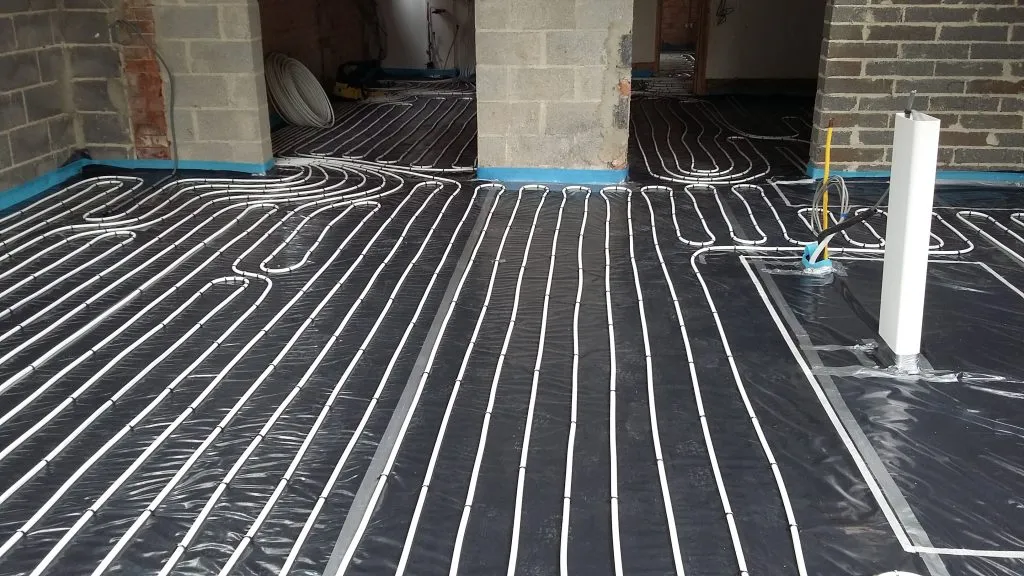
Cold spots in underfloor heating often signal a hidden issue. Our engineers use specialist leak detection to locate the problem, providing the detailed evidence insurers require for trace and access claims.
Understanding Cold Spots: A Sign of a Hidden Problem
When your underfloor heating system develops inconsistent cold patches, it’s rarely a simple thermostat fault. More commonly, it indicates a physical issue within the system itself, such as a blockage, a kinked pipe, or most critically, a leak. From an insurance and claims perspective, these are not just comfort issues; they are potential property damage incidents. The water from a leaking underfloor heating pipe is often concealed within the floor structure, and the true cost involves both the leak repair and the ‘trace and access’ work to locate and expose it.
The Professional Diagnostic Process: Essential for Your Claim
Our approach is designed to meet the stringent requirements of insurers. We never guess. Our engineers use non-invasive leak detection technology, such as thermal imaging and acoustic listening devices, to pinpoint the exact location of a suspected leak or obstruction without unnecessary damage. This methodology is crucial. Insurers expect a clear, evidence-based rationale for any proposed destructive investigation. Our detailed report, complete with imagery and findings, provides the documented justification needed for the ‘trace and access’ element of your claim, demonstrating that the work was necessary, targeted, and minimised further disruption.
Once the issue is located, we provide a clear scope of works. This separates the leak detection and access costs (often covered under ‘trace and access’ on a policy) from the actual repair of the pipe and the reinstatement of the floor. This clear delineation is vital for smooth claims processing, as it aligns with how insurers categorise the costs.
Common Causes and the Path to a Validated Fix
The fix depends entirely on the diagnosed cause. For a leak, the affected section of pipe is isolated and repaired or replaced. For a blockage or airlock, the system may be power-flushed. Crucially, all work is pressure-tested and validated before any reinstatement begins. We understand that insurers require assurance that the root cause has been permanently resolved. Our documentation provides this, showing a system returned to full integrity and performance. This not only supports the current claim but also protects you from future disputes if related damage were to reoccur.
Our role extends beyond the technical repair. We act as your partner in navigating the claims process, providing the specialist evidence that turns a complex domestic problem into a managed, procedural insurance event. By handling the trace, access, and repair in a coordinated, documented manner, we help ensure cost recovery is as straightforward as possible, letting you focus on getting your home back to normal.
How we help with this
If the article describes a problem you actually have, these are the visits that deal with it.
- insurance leak claims
What escape of water cover pays for, and what it does not.
- central heating leak detection
For a boiler losing pressure or a circuit that will not hold.
- thermal imaging surveys
Infrared showing where warm or cold water tracks behind a surface.
Frequently asked questions
Will my home insurance cover the cost of finding and fixing an underfloor heating leak?
Most buildings insurance policies include 'trace and access' cover, which is specifically for the costs of locating the source of a leak and the necessary work to access it (like lifting floors). The repair of the pipe itself is also typically covered. It is essential to check your policy wording and inform your insurer at the first sign of a problem. Our detailed reports are designed to meet their evidence requirements.
Why is professional leak detection important for my insurance claim?
Insurers require proof that any destructive investigation (like breaking into a floor) was necessary and minimised. Our non-invasive detection provides pinpoint accuracy, creating an auditable trail. This justifies the 'trace and access' costs and prevents claim disputes. Guessing the leak location or causing widespread damage without evidence can lead to parts of your claim being rejected.
What documentation do you provide for my insurer?
We provide a comprehensive report including the cause of the cold spots/leak, the non-invasive methods used to locate it (e.g., thermal imaging photos), the exact location accessed for repair, and confirmation that the repair has been pressure-tested and validated. This clearly separates trace and access costs from repair costs, which is the standard insurers use to process claims efficiently.