Acoustic vs. Thermal vs. Tracer Gas Leak Detection: What Insurers Require
We explain the core leak detection methods (acoustic, thermal imaging, and tracer gas) and how our systematic approach meets strict insurer requirements for trace & access claims.
When a hidden leak triggers an insurance claim, the priority shifts from simple repair to systematic investigation. Insurers require a clear, documented trace & access process to validate the cause, location, and necessary works for cost recovery. Our role is to provide that definitive evidence using professional detection technologies. The three primary methods we deploy (acoustic, thermal imaging, and tracer gas) each serve specific scenarios under the insurer's procedural framework.
Meeting the Evidence Standard: Acoustic Detection
Acoustic or 'listening' detection is often the first non-invasive step. Our engineers use sensitive ground microphones and leak noise correlators to pinpoint the sound of water escaping under pressure. This method is highly effective for pressurised mains supply pipes beneath floors or in walls. For insurers, it provides an initial evidential log: a specific location identified without unnecessary destructive searching. The documentation includes audio logs and correlation reports, forming the first part of a justified trace & access narrative.
Thermal Imaging for Visual Evidence
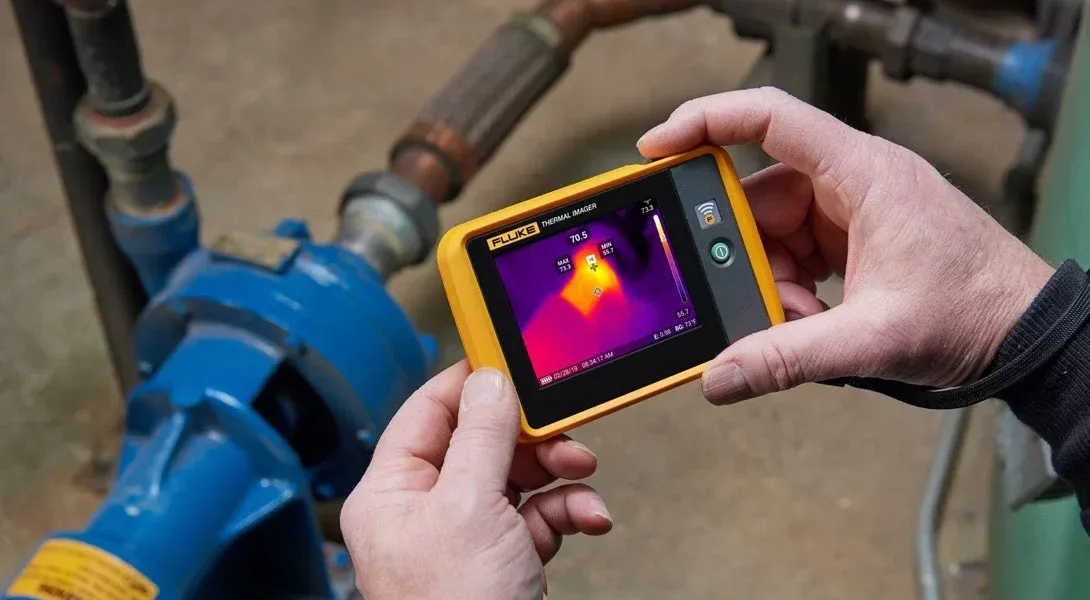
Thermal imaging cameras detect temperature differences caused by moisture. Escaping water from a central heating leak or a damp patch from a slow pipe seepage will often show a distinct thermal signature. This method is invaluable for visual proof. We provide detailed thermal images and videos that clearly show the anomaly, which are crucial for insurer reports. It helps justify why a specific section of a floor or wall must be opened, directly supporting the 'access' portion of the claim and minimising disputed exploratory work.
Tracer Gas: The Definitive Test for Elusive Leaks
For the most challenging leaks (particularly in underfloor heating systems or low-pressure pipes where acoustic methods are less effective) we use tracer gas detection. We introduce a harmless, inert gas into the pipework. Using a sensitive sniffer probe, we trace the gas as it escapes through the smallest of breaches. This method provides irrefutable, pinpoint evidence for complex cases. The report generated is comprehensive, detailing the exact leak site. For insurers, this often represents the definitive technical evidence required to approve a claim, especially where significant reinstatement costs are involved.
Aligning Method with Insurer Protocols
Our process is not about choosing one 'best' technology, but about applying a logical, documented sequence that satisfies insurer protocols. We start with the least invasive method appropriate to the suspected system. Each step is recorded, creating an audit trail that demonstrates due diligence. This procedural approach directly supports your claim for trace (finding the leak) and access (the necessary work to reach it) costs. We ensure our final report delivers the clear causation, location evidence, and scope of works required for seamless claims processing.
Ultimately, our expertise lies in mapping the right detection technology to your specific situation while foregrounding the requirements of your insurer. By providing methodical documentation from the outset, we help secure the full cost recovery you're entitled to under your policy, turning a stressful leak into a managed, claims-compliant process.
How we help with this
If the article describes a problem you actually have, these are the visits that deal with it.
- tracer gas leak detection
For leaks the other methods cannot reach, including buried pipework.
- acoustic leak detection
Ground microphones and correlators on a pressurised pipe.
- our full guide to leak detection
How each method works and when it is the wrong tool for the job.
Frequently asked questions
Which leak detection method do insurers prefer?
Insurers don't mandate a specific technology; they require a logical, professional process with clear documentation that justifies the trace and access works. We select the most appropriate method (often starting with non-invasive acoustic or thermal) to build this evidence trail, ensuring the claim is fully supported.
Why is detailed documentation so important for a leak claim?
Insurance claims for trace & access costs rely on proving the necessity of the investigative and remedial work. Our detailed reports, including images, logs, and findings, provide the objective evidence insurers need to validate the cause, location, and required repairs, facilitating cost recovery and minimising dispute.
Do you handle the communication with the insurance company?
While the policyholder must formally notify their insurer, we provide a comprehensive, insurer-ready report designed specifically for claims handling. This includes all technical evidence, photographs, and a clear scope of necessary works, which you or your loss adjuster can submit directly to support the claim.