Brown Stain on Ceiling: Leak or Damp? What Insurers Require for a Claim
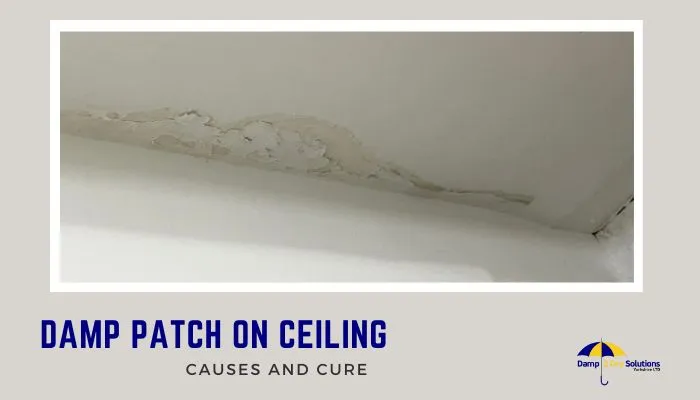
A brown stain on your ceiling can signal a leak or damp. We outline the diagnostic steps insurers require for a valid claim and the proper trace and access process to protect your coverage.
Why a Brown Stain on Your Ceiling Requires Immediate Professional Diagnosis
Discovering a brown stain on your ceiling is an immediate red flag for any property owner or insurer. The critical first question is whether it’s caused by an active water leak or a general damp issue, as this distinction fundamentally directs the insurance claims process. Insurers require a definitive, professional diagnosis to validate a claim, as policies typically cover sudden and accidental water escape but exclude gradual deterioration or general dampness. Our role is to provide the clear, documented evidence insurers need to settle your claim efficiently.
Leak or Damp? The Diagnostic Process for Insurer Compliance
Our engineers follow a meticulous, insurer-aligned process to determine the source. For a suspected leak, we use non-invasive moisture mapping and thermal imaging to trace the water’s path back to its origin, a process known as ‘trace and access’. This might pinpoint a faulty joint in a pipe above the ceiling, a failing seal around a bath, or a compromised roof detail. For damp, diagnosis focuses on identifying condensation, rising damp, or penetrating damp from external defects. The report we produce explicitly states the cause, its sudden or gradual nature, and the recommended repairs, forming the cornerstone of your claim submission.
Attempting a DIY diagnosis or repair before an assessment can invalidate an insurance claim, as it may obscure the original cause and prevent proper documentation. We ensure every step is recorded with time-stamped photos, moisture readings, and a methodical explanation suitable for loss adjusters.
Trace and Access: The Key to Full Cost Recovery
‘Trace and access’ is a critical insurance concept. It refers to the work required to locate the source of a hidden leak, which often involves controlled investigative work like removing sections of ceiling, floor, or wall lining. Crucially, many insurance policies cover the reasonable costs of trace and access work itself, in addition to the repair of the original leak. Our approach is designed to maximise this recovery for you.
We work methodically to minimise disruption while providing the unequivocal evidence required: we show exactly where the leak originated, the path it took, and the damage it caused. This detailed documentation supports your claim for both the leak repair and the investigative work undertaken to find it, preventing disputes over uncovered costs. Without this professional trace and access report, you risk bearing the entire cost of the investigation yourself.
Working With Your Insurer: A Procedural Partnership
From the initial call, we frame our service around your claim. We communicate directly with your loss adjuster if required, providing technical clarity on the cause and scope. Our reports are structured to answer their core questions: What happened? Where did it originate? Is it covered? What repairs are needed? This procedural, evidence-based approach is reassuring for all parties and speeds up settlement.
We understand that a brown stain on the ceiling is more than a repair job. It’s a potential insurance event. By grounding our response in the precise requirements of claim validation and cost recovery, we turn a stressful discovery into a managed, documented process. Contact us to ensure the stain is correctly diagnosed and your claim is robustly supported from the outset.
How we help with this
If the article describes a problem you actually have, these are the visits that deal with it.
- damp and moisture surveys
Moisture mapping that separates a leak from condensation or damp.
- our full guide to leak detection
How each method works and when it is the wrong tool for the job.
- insurance leak claims
What escape of water cover pays for, and what it does not.
Frequently asked questions
Will my home insurance cover the cost of finding a leak?
Many policies include 'trace and access' cover for the reasonable costs of locating the source of a hidden leak. However, they require professional evidence proving a sudden, accidental leak (like a burst pipe) versus gradual damage. Our diagnostic service provides the documented report needed to validate this part of your claim.
What's the difference between a leak stain and a damp stain for insurance?
Insurers differentiate sharply. A leak stain is caused by a specific, sudden event of water escape (e.g., from plumbing), which is usually covered. A damp stain results from condensation, rising damp, or long-term ingress, often considered maintenance and excluded. Our diagnosis definitively identifies which is present, directly impacting claim eligibility.
What documentation do you provide for my insurer?
We provide a comprehensive report including the cause and origin of the water ingress, moisture mapping data, photographic evidence of the source and damage, and a clear scope of recommended repairs. This report is formatted to meet insurer and loss adjuster requirements, explicitly addressing coverage questions to support your claim.