Combi Boiler Losing Pressure but No Leak Found? A Guide for Insurance Claims
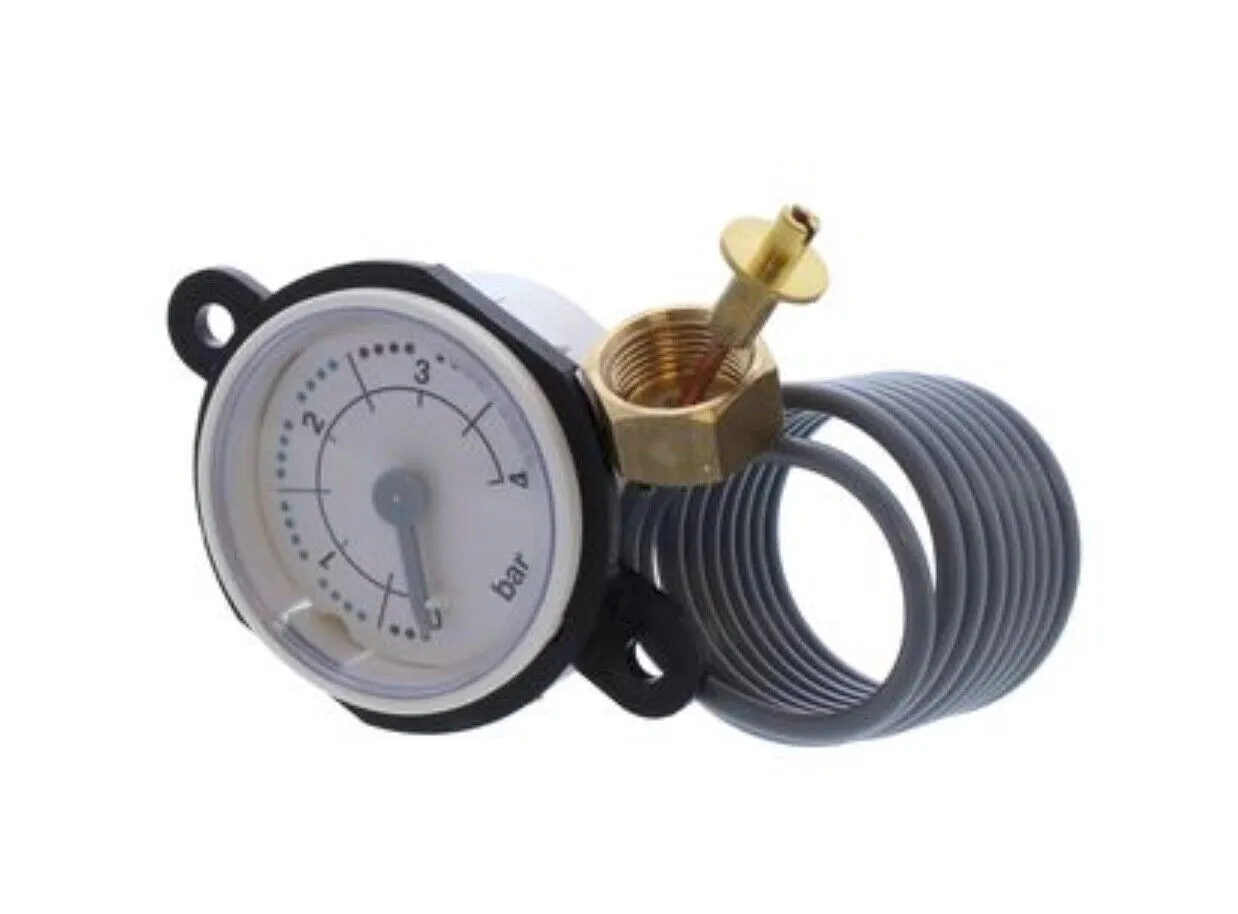
A pressure drop in your combi boiler without a visible leak is a common insurance claim scenario. We outline the required trace and access investigation to satisfy insurer requirements.
When your combination boiler's pressure gauge keeps dropping but you can't find a leak, it's a frustrating and potentially worrying situation. From an insurance and claims perspective, this is a classic 'trace and access' scenario. Insurers require a specific, documented process to identify the source of the problem before approving repairs, especially when the leak is not immediately visible. We guide homeowners and property managers through this procedural requirement, ensuring the investigation meets the necessary standards for cost recovery.
The Insurer's Requirement: Proving the Hidden Leak
Insurers understand that water leaks can originate from concealed pipework within floors, walls, or ceilings. A drop in boiler pressure is a clear symptom, but the cause must be professionally verified. A simple 'no leak found' assessment is rarely sufficient for a claim. Instead, insurers mandate a 'trace and access' investigation. This is a systematic process where our engineers use specialised equipment, such as acoustic listening devices, thermal imaging cameras, and tracer gas detection, to pinpoint the exact location of a hidden leak without unnecessary damage.
The goal is twofold: first, to definitively confirm a leak exists, and second, to isolate its precise location. This targeted approach minimises the extent of disruptive 'access' work needed (such as lifting floorboards or cutting inspection holes) which itself is often a claimable part of the process. Proper documentation at this stage is critical for your insurer.
Documentation and the Claims Process
For a successful claim, the evidence gathered must be clear and procedural. Our engineers provide a comprehensive report that serves as your key documentation. This report won't include invented statistics, but it will detail the methodologies used, the findings (including the precise location of the leak), and the rationale for any necessary access work. Photographic and video evidence from thermal imaging is typically included.
This report directly supports the 'trace' element of your claim and justifies the 'access' repairs. Presenting this structured documentation from the outset streamlines the claims process, demonstrating due diligence and often preventing delays or queries from your insurer's loss adjuster. It transforms a vague symptom ('boiler losing pressure') into a defined, actionable insurance event.
Common Hidden Causes and Recovery Pathways
Where might this hidden leak be? Common culprits include a faulty pressure relief valve discharging externally, a leak on the pipework to or from an underfloor radiator, a failed joint within a screeded floor, or a problem with the boiler's internal heat exchanger. The investigation methodically rules out or confirms these possibilities.
Once located, the repair strategy is clear. The cost of the trace and access investigation, the controlled opening up to reach the leak, the repair itself, and the making good of the accessed area are generally considered part of a single claim under the 'trace and access' or 'escape of water' sections of your policy. By following the correct procedural framework from the start, you ensure these interconnected costs are recoverable, providing a clear pathway from initial symptom to final resolution.
Navigating a hidden leak with your insurer is about procedure and proof. By engaging a specialist leak detection team that understands these requirements, you secure not just a technical solution but the necessary framework for a smooth claim, giving you reassurance during a disruptive time.
How we help with this
If the article describes a problem you actually have, these are the visits that deal with it.
- central heating leak detection
For a boiler losing pressure or a circuit that will not hold.
- insurance leak claims
What escape of water cover pays for, and what it does not.
- acoustic leak detection
Ground microphones and correlators on a pressurised pipe.
Frequently asked questions
Will my insurance cover the cost of finding a hidden leak if my boiler is losing pressure?
Typically, yes. Most home insurance policies with 'escape of water' cover include 'trace and access' as a standard provision. This covers the cost of professionally locating the hidden leak and the necessary, minimal damage to access it. The subsequent repair is also usually covered. Always check your specific policy wording and inform your insurer at the outset.
What documentation do I need to provide to my insurer for this type of claim?
Your insurer will require a detailed report from a professional leak detection company. This should explain the symptom (recurrent pressure loss), the non-invasive methods used to investigate (e.g., thermal imaging, acoustic detection), the exact location and cause of the hidden leak found, and a justification for any access work required. Photographic evidence is crucial.
What if the investigation finds no leak at all?
This is a vital part of the process. A professional investigation can also definitively rule out a hidden leak, potentially identifying other issues like a faulty pressure gauge or a problem with the boiler's expansion vessel. This detailed report still provides your insurer with the necessary evidence to close the 'escape of water' claim inquiry and allows you to proceed with the correct, non-insurance repair path.