Can a Water Leak Cause Mould and Damp? A Guide for Insurance Claims
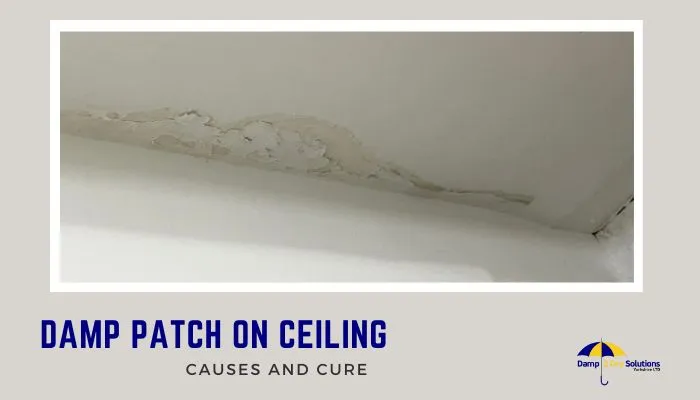
Undetected water leaks are a primary cause of mould growth and persistent damp. Our trace and access services identify the source for compliant insurance claims.
The Direct Link Between Leaks, Damp, and Mould
For insurers and policyholders managing a claim, establishing a clear, documented cause is paramount. A persistent water leak, whether from a pipe, appliance, or drainage point, provides the constant moisture required for damp to penetrate building materials and for mould spores to thrive. The issue often lies not with the visible damp patch or mould growth, but with the hidden source. Our role is to provide the definitive trace and access evidence that connects the damage directly to a specific, remediable leak, forming the cornerstone of a valid insurance claim.
Why Insurers Require Professional Leak Detection
Insurance claims for water damage and subsequent mould remediation hinge on proof of a sudden and accidental escape of water, or a clear maintenance failure. Surface-level repairs without identifying the primary source often lead to recurring damp and mould, resulting in repeat claims and higher costs. Our engineers use specialised equipment, such as acoustic probes, thermal imaging cameras, and tracer gas, to locate the precise origin of a leak with minimal invasive search. This methodology creates an auditable report that satisfies insurer requirements for cause, origin, and mitigation, protecting the policyholder from potential disputes over wear-and-tear or gradual deterioration.
The documentation we provide is crafted to support your claim recovery. It details the location, nature, and extent of the leak, explicitly linking it to the observed damp and mould. This procedural approach transforms a complex damp problem into a manageable, itemised claim, justifying the necessary works for both water damage restoration and environmental mould remediation.
The Trace and Access Process: Protecting Your Claim
Our process is designed to meet the forensic standards expected by loss adjusters. We begin with a non-invasive survey to trace the moisture path back to its source. Once located, we perform the minimal, precise access required to expose the leak for verification and repair by a plumber. This controlled access limits additional damage and keeps reinstatement costs predictable, a key factor in claim management.
Critically, we do not leave you with a hole and an assumption. Our report includes photographic and descriptive evidence of the leak source, the access point created, and the pathway to the visible damage. This creates a closed loop in your claim file: a proven cause, a defined repair scope, and a clear justification for all associated drying, cleaning, and mould removal costs. By investing in professional leak detection at the outset, you recover the full cost of remediation and prevent future related claims, ultimately safeguarding the property's value and the policy's integrity.
Ignoring the leak source while treating mould is a temporary fix. The damp will return, and with it, further mould growth and potential structural weakening. Insurers recognise this cycle, which is why they increasingly mandate or recommend professional trace and access services before authorising major repair settlements. Our work provides the technical certainty that turns a problematic damp claim into a resolved, non-recurring event.
How we help with this
If the article describes a problem you actually have, these are the visits that deal with it.
- damp and moisture surveys
Moisture mapping that separates a leak from condensation or damp.
- insurance leak claims
What escape of water cover pays for, and what it does not.
- our full guide to leak detection
How each method works and when it is the wrong tool for the job.
Frequently asked questions
Why is a leak detection report important for my mould and damp insurance claim?
A professional report provides the causal evidence insurers need. It definitively links the mould and damp to a specific, insurable water leak event, moving the claim away from potential disputes over condensation, rising damp, or gradual wear and tear. It forms the essential documentation for cost recovery for both the leak repair and the resultant damage remediation.
Will your leak detection process cause more damage to my property?
Our trace and access methodology is designed to be minimally invasive. We use advanced technology to pinpoint the leak accurately before creating any access points. This means the required opening is small, precise, and documented, keeping reinstatement costs low and contained within the claim scope, which is favourable for both you and your insurer.
If mould is already present, should we treat that first or find the leak?
The leak must always be addressed first. Remediating mould while an active leak persists is futile, as the moisture source will cause regrowth. Our immediate priority is to locate and document the leak source so repairs can be made. This then provides the valid basis for the insurance claim to include professional mould removal and property drying, ensuring a permanent solution.