Is High Water Pressure Bad? Signs, Fixes & What Your Insurer Needs to Know
High water pressure is a leading cause of hidden leaks and property damage. We detail the warning signs, explain the solutions, and outline the evidence insurers require for trace and access claims.
Why Insurers View High Water Pressure as a Significant Risk
In our work with insurers on trace and access claims, we consistently find that undiagnosed high water pressure is a primary culprit behind sudden leaks and gradual, catastrophic damage. While a powerful shower might feel luxurious, pressure consistently above the recommended 3-4 bar puts immense strain on your entire plumbing system, including joints, seals, appliances, and pipework. This stress can lead to pinhole leaks, burst pipes, and appliance failure, often within concealed spaces where damage goes unnoticed until it's severe. For insurers, this represents a preventable loss, which is why many policies now emphasise policyholder responsibility for maintaining a safe system.
Recognising the Signs of Excessive Pressure
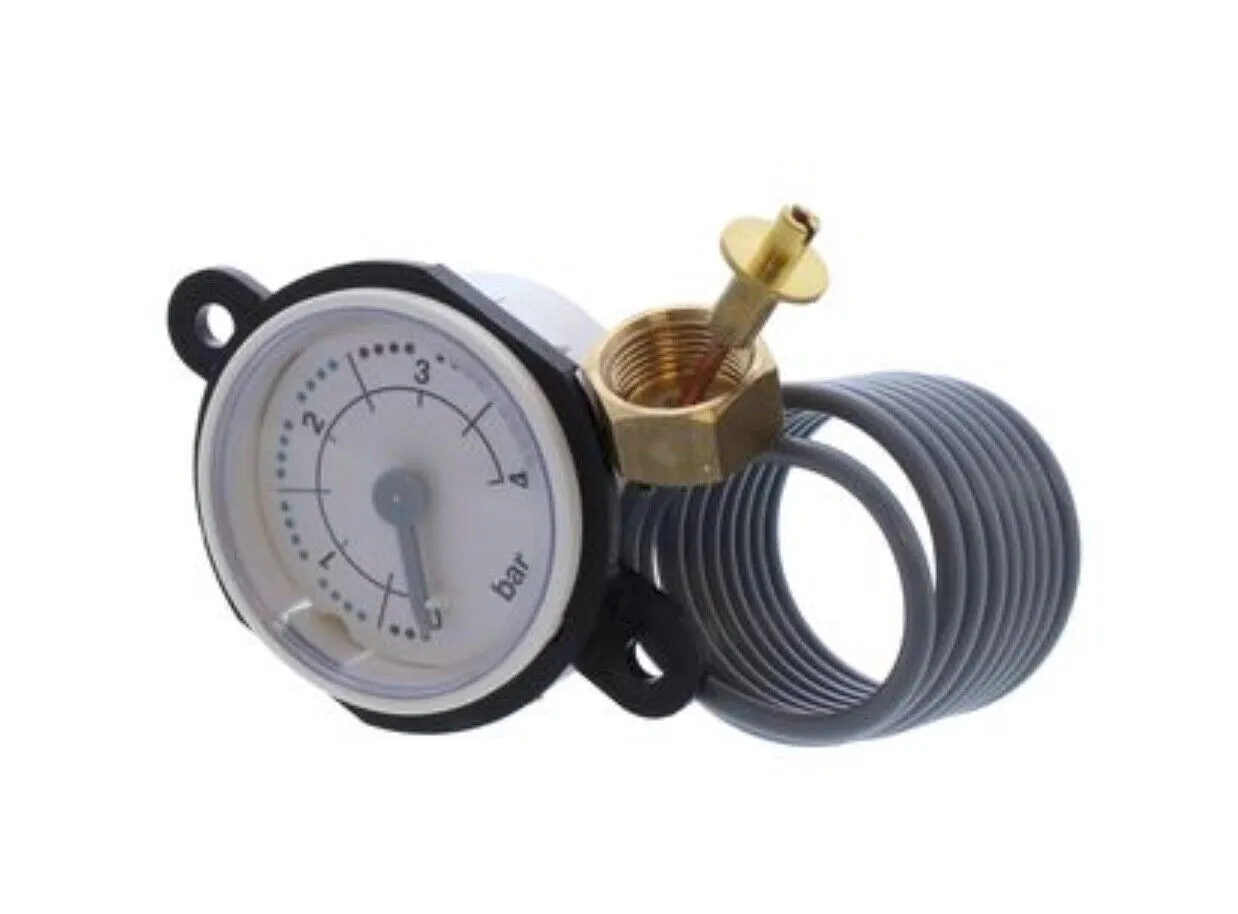
Knowing the symptoms can help you act before a leak triggers a major claim. Listen for persistent knocking or banging in your pipes (water hammer), which indicates pressure surges. Visually, check for leaks around appliance valves, such as your washing machine or dishwasher connections. Tap valves that drip constantly after being turned off, and toilets that run intermittently, can also be pressure-related. The most definitive check is to fit a pressure gauge to an outdoor tap or washing machine valve; a reading consistently above 4 bar confirms the issue. Documenting these signs with photos and notes is valuable evidence for your insurer, demonstrating proactive risk management.
Implementing the Fix: Pressure Reduction & Professional Validation
The standard solution is to install a pressure reducing valve (PRV) on your main incoming supply. This device regulates the pressure to a safe, preset level. Crucially, for insurance purposes, this work must be performed by a qualified professional. Our engineers not only fit these valves but also provide a detailed report confirming the final, safe pressure reading and the installation's compliance with regulations. This report is a key document for your records, proving the issue has been professionally remedied. It forms a critical part of the 'trace and access' narrative should a future leak occur, showing you took reasonable steps to mitigate a known risk.
Meeting Insurer Requirements for Trace & Access Claims
If a leak does occur and high pressure is suspected, insurers will require a clear forensic trail. Our role is to trace the leak's origin, access the damage, and establish the root cause. Our reports are structured to meet insurer requirements, explicitly detailing whether system pressure was a contributing factor. We document the initial diagnostic readings, the visual evidence of stress on fittings, and the precise location of the failure. This formal documentation is essential for validating your claim and can be pivotal in cost-recovery discussions, especially if subrogation against a third party is possible. By engaging a specialist leak detection company from the outset, you ensure the process meets the stringent procedural standards insurers demand.
Proactively managing your water pressure is more than simple maintenance; it's a demonstrable step in protecting your property and satisfying your insurance policy's conditions. Should you suspect an issue, our engineers are experienced in both the technical fix and the precise reporting needed to keep your insurer fully informed.
How we help with this
If the article describes a problem you actually have, these are the visits that deal with it.
- our full guide to leak detection
How each method works and when it is the wrong tool for the job.
- acoustic leak detection
Ground microphones and correlators on a pressurised pipe.
- central heating leak detection
For a boiler losing pressure or a circuit that will not hold.
Frequently asked questions
Will my insurer cover the cost of fixing high water pressure?
Typically, no. Insurers generally view pressure regulation as part of routine property maintenance, similar to servicing a boiler. However, if a resulting leak causes damage, the cost of the subsequent trace, access, and repairs to the damage may be covered, subject to your policy terms. Installing a PRV can be seen as a loss prevention measure that supports your claim.
What documentation should I keep for my insurer regarding water pressure?
We recommend keeping a record of any professional pressure tests, the installation certificate for any pressure reducing valve (PRV), and the engineer's report detailing the final system pressure. If you report symptoms like water hammer, keep a dated note. This portfolio demonstrates due diligence, which is crucial if you need to make a trace and access claim later.
If a leak is found, how do you prove high pressure was the cause for the insurer?
Our investigation follows a forensic process. We take immediate static and dynamic pressure readings at the point of entry and near the leak. We examine the failed component for signs of stress fatigue common with high pressure, such as specific crack patterns or blown seals. Our formal report explicitly links this physical evidence to the recorded pressure data, creating a clear causal chain that meets insurer requirements for validation and potential cost-recovery.