Water Stain on Wall: Leak or Damp? A Guide for Insurance Claims
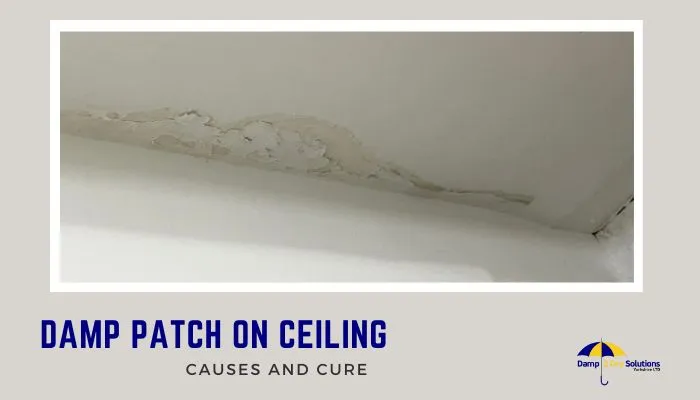
A water stain on your wall could indicate a hidden leak or general dampness. Correct identification is critical for insurance claims and requires a formal trace and access investigation.
Why Identifying the Source of a Water Stain is Critical for Your Claim
Discovering a water stain on your wall is concerning, but for insurance purposes, correctly identifying its source is paramount. Insurers distinguish between damage from a sudden, unforeseen leak and damage caused by long-term dampness or condensation. The former is typically covered under most policies, while the latter often falls under general maintenance. A professional investigation isn't just about fixing the problem; it's about providing the forensic evidence required to validate your claim and ensure you recover the costs of both the repair and the investigative work itself.
The Trace and Access Process: Meeting Insurer Requirements
When you report a potential leak, insurers usually mandate a formal 'trace and access' procedure. This is a systematic investigation carried out by qualified leak detection engineers to locate the precise source of moisture. We don't just treat the visible stain. Our engineers use specialised equipment like thermal imaging cameras and moisture meters to map the extent of the water travel and pinpoint its origin, whether from a leaking pipe, faulty seal, or roof defect. This methodical approach prevents unnecessary damage during the search, a key concern for insurers.
The documentation generated during this process is your most important asset. A comprehensive report will detail the findings, including the exact cause, the area of investigation, and the evidence that rules out general damp. This report forms the backbone of your claim, demonstrating due diligence and providing the technical justification for the necessary repairs and the trace and access costs. Without it, you risk the insurer disputing the cause or deeming the investigative work excessive.
Leak vs. Damp: What Our Investigation Determines
Our role is to provide a definitive diagnosis. A leak, such as from a cracked pipe under a floor or behind a wall, presents as localised, active water ingress often following a path from the breach. Dampness, like rising damp or condensation, usually shows a more diffuse pattern and is linked to environmental factors or building fabric issues. The distinction is not always visually obvious, which is why our technical investigation is so valuable. We provide the clear, professional opinion that confirms whether the damage is an insurable event.
Once a leak is confirmed and located, our report will also outline the necessary reinstatement work. This separates the costs of the investigative trace and access from the actual repairs, which is essential for clear claim submission. We ensure our documentation aligns with insurer expectations, detailing why specific areas needed to be opened up and how the source was conclusively found. This procedural clarity is what facilitates smoother claim approvals and cost recovery for you.
Protecting Your Claim from the Start
If you spot a stain, act promptly but avoid starting any repairs yourself. Contact your insurer first to notify them of a potential claim. Then, engage a specialist leak detection company like ours. We understand the evidentiary requirements and work to the standards insurers expect. By commissioning a professional trace and access investigation immediately, you secure the objective evidence needed to support your case, protect your property from further damage, and ultimately streamline the claims process to recover the full costs involved.
How we help with this
If the article describes a problem you actually have, these are the visits that deal with it.
- damp and moisture surveys
Moisture mapping that separates a leak from condensation or damp.
- insurance leak claims
What escape of water cover pays for, and what it does not.
- leak detection in London
Finding a hidden leak without opening the property up first.
Frequently asked questions
Will my insurance cover the cost of finding the leak?
Most building insurance policies include 'trace and access' cover for locating the source of a sudden, unforeseen leak. The key is providing a professional report that proves the damage was caused by a leak (like a burst pipe) and not by gradual dampness or wear and tear, which are typically excluded. Our investigations are designed to deliver this proof.
What documentation do I need for my insurer?
You will need a detailed report from the leak detection engineer. This should include the cause of the stain, the methods used to trace it (e.g., thermal imaging), the exact location of the source, evidence that rules out damp, and a scope of the investigative work undertaken. This report justifies both the trace and access costs and the subsequent repair claim.
Can I just repair the visible stain myself?
We strongly advise against this. Repairing the stain without a professional investigation leaves the underlying leak active, causing further hidden damage. Crucially, it also destroys the evidence needed for your insurance claim. Insurers may reject a claim if the cause cannot be professionally verified. Always get a trace and access report first.