Drying Out Your Home After a Water Leak: A Guide for Insurance Claims
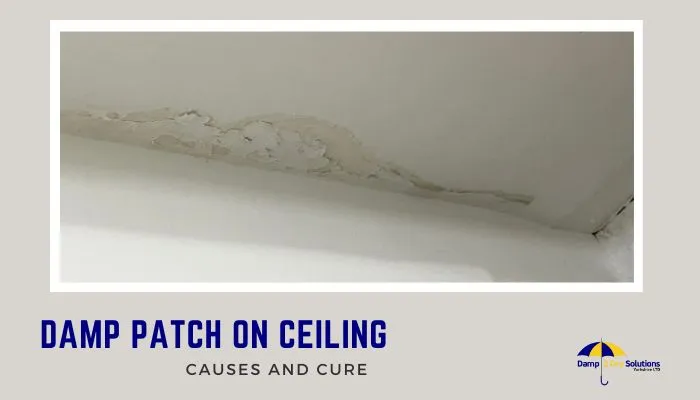
A step-by-step guide to drying your home after a water leak, focusing on meeting insurer requirements for documentation and cost recovery through professional trace and access services.
The Critical First Steps After a Leak
When you discover a water leak, immediate action is required not just to stop the damage, but to satisfy the procedural requirements of your insurance policy. The first priority is to stop the water at its source. This often requires our engineers to perform a comprehensive trace and access investigation to locate the exact point of failure, which is a prerequisite for most insurers before approving drying and repair works. We document this process meticulously, providing the evidence needed to validate your claim from the outset.
Professional Drying and Insurer Documentation
Simply airing out a room is insufficient for proper moisture mitigation. Insurers typically require a professional drying process using industrial-grade dehumidifiers and air movers to prevent secondary damage like mould and structural weakening. Our role extends beyond just placing equipment. We create a detailed log of humidity readings, equipment run-times, and photographic evidence at each stage. This documentation forms a vital part of your claim file, demonstrating that the work was necessary, proportionate, and conducted to industry standards, which supports full cost recovery.
The drying period is also when hidden damage can become apparent. Our engineers monitor the process closely, as it can reveal further issues with sub-floors, cavities, or adjacent rooms that were not initially visible. Identifying these areas early is crucial; it allows for a complete and accurate claim submission, preventing disputes over later-discovered damage that an insurer might argue was not part of the original incident.
Managing the Claim and Cost Recovery
Framing the drying process correctly within your insurance claim is essential. Insurers view trace and access (finding the leak) and subsequent drying as integral, recoverable costs, provided they are properly justified. We structure our reports to clearly separate these phases: the investigative work to locate the source, and the prescribed remedial action to dry the affected areas. This clarity helps your insurer understand the sequence and necessity of each expense.
We advise maintaining a single, consolidated file of all correspondence, our reports, moisture logs, and invoices. Presenting a coherent, professional package significantly smooths the claims process. By handling the technical and documentary heavy lifting, we allow you to focus on the disruption while ensuring the financial recovery is as robust as possible. Our aim is to provide the insurer with no reason to question the validity or scope of the works undertaken.
Preparing for Repairs
Only once a professional drying certificate or final moisture report is issued should permanent repairs begin. This certificate is often a mandatory sign-off for insurers before they will release funds for reinstatement. It proves the area is dry and stable, protecting both you from future problems and the insurer from funding repairs to a damp substrate. We coordinate this final step, ensuring a seamless handover from emergency mitigation to the restoration phase, with a fully documented trail that supports every aspect of your claim.
How we help with this
If the article describes a problem you actually have, these are the visits that deal with it.
- insurance leak claims
What escape of water cover pays for, and what it does not.
- leak detection in London
Finding a hidden leak without opening the property up first.
- our full guide to leak detection
How each method works and when it is the wrong tool for the job.
Frequently asked questions
Why can't I just dry the area myself with fans?
While fans help with surface drying, they cannot address moisture trapped in walls, sub-floors, or concrete. Insurers require professional drying to prevent mould and structural damage, and they need the accompanying data logs and certificates to validate the claim for cost recovery.
What documentation do you provide for my insurer?
We provide a comprehensive report including evidence of the leak source (trace & access), a drying plan, daily moisture level logs, photographic evidence, and a final drying certificate. This package justifies every action taken and supports the full recovery of costs.
Who pays for the trace, access, and drying work?
Typically, these are recoverable costs under your buildings insurance policy, provided they are necessary and well-documented. We frame our work and invoices to clearly meet insurer requirements, making the reimbursement process as straightforward as possible for you.