Damp or Leak? How to Tell the Difference & Why It's Crucial for Insurance Claims
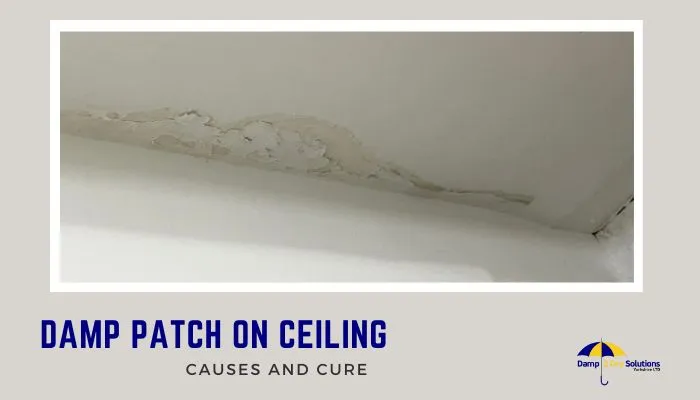
Understanding whether you have damp or an active leak is critical for a successful insurance claim. We explain the signs and the procedural steps insurers require.
Why Correct Identification Matters for Your Claim
When you discover moisture damage in your property, your first thought may be to file an insurance claim. However, insurers draw a critical distinction between general 'damp' and an 'active leak'. Confusing the two can lead to claim denial. General damp, such as rising or penetrating damp, is typically considered a maintenance issue. An active, unforeseen leak from a pipe or appliance is usually an insurable event. Correctly identifying the source is the first procedural step insurers demand.
Key Signs: Damp vs. Active Leak
Spotting the difference requires a careful inspection. Localised damp patches that worsen during heavy rain often point to penetrating damp. A musty smell without visible water flow might suggest rising damp. In contrast, signs of an active leak are more dynamic. These include a patch that expands steadily, the sound of running water behind walls, visible dripping, or a sudden increase in your water meter reading. This evidence is vital for your insurer, as it supports the 'trace and access' element of your claim, which covers the cost of finding the leak's origin.
Our engineers are trained to make this distinction swiftly. We look for the specific patterns and use non-invasive detection equipment to locate the precise source of moisture. This professional assessment provides the documented proof insurers need to validate that the damage stems from a sudden, accidental event covered under your policy, not a long-term maintenance failure.
The Insurance Process: Trace, Access, and Recovery
Once a leak is suspected, insurers require a structured approach. This is where 'trace and access' coverage becomes central. It is designed to cover the reasonable costs of locating the leak and gaining access to repair it, which can involve opening up floors or walls. We operate with this framework in mind. Our investigation is methodical and fully documented, from the initial visual survey to the final pinpointing of the leak using acoustic or thermal detection methods.
Our detailed report does more than just guide the repair. It serves as the cornerstone of your claim, directly supporting cost recovery. We outline the cause, the exact location, and the necessary remedial work. This transparent documentation meets insurer requirements for a clear, causal link between the insured peril (the leak) and the incurred costs (the trace, access, and repair). Without such evidence, you risk bearing the full financial burden.
Acting Promptly Protects Your Claim
Delay can complicate both the damage and your claim. An unresolved leak leads to worsening structural damage and mould, which insurers may argue constitutes a failure to mitigate loss. The sooner a professional investigation begins, the stronger your claim position. By calling in specialists like our engineers, you take the responsible, procedural step your insurer expects. We provide the expertise to identify the problem correctly and the documentation to frame it effectively within your policy's coverage, turning a stressful discovery into a manageable, recoverable process.
How we help with this
If the article describes a problem you actually have, these are the visits that deal with it.
- our full guide to leak detection
How each method works and when it is the wrong tool for the job.
- insurance leak claims
What escape of water cover pays for, and what it does not.
- damp and moisture surveys
Moisture mapping that separates a leak from condensation or damp.
Frequently asked questions
Will my insurance cover the cost of finding a leak?
Many building and contents policies include 'trace and access' cover, which is specifically designed to meet the costs of locating the source of a leak and gaining access to it. This is separate from the repair cost itself. A professional leak detection report is typically required to validate this part of your claim.
What if the investigation shows it's damp and not a leak?
Our report will clearly state the cause. If the moisture is diagnosed as general damp (e.g., rising damp, condensation), it is not the result of a sudden, insured event like a pipe burst. While this means the repair likely falls outside standard insurance coverage, the report provides certainty and allows you to address the maintenance issue correctly, potentially preventing a futile claim submission.
What documentation do you provide for an insurance claim?
We provide a comprehensive report detailing our findings. This includes the evidence of an active leak, its precise location, the methods used to detect it, and often photographic evidence. This report is structured to satisfy insurer requirements by establishing the cause, the necessity of the investigative work, and supporting the recoverability of 'trace and access' costs.